.png)
Exploring what better eating disorder care could look like
At SafePlate Dietetics, research and service development aren't separate from clinical practice.
Many of the questions that shape these projects come directly from conversations with people
living with eating disorders, neurodivergence, chronic illness, disability, and healthcare systems that
haven't always met their needs.
This page shares some of the work currently underway, along with the questions that
continue to shape how wethink about eating disorder care, recovery, and support.







Despite growing recognition that autistic and ADHD people are overrepresented within eating disorder populations, many individuals continue to describe treatment experiences that feel inaccessible, invalidating, or poorly matched to how they experience the world.
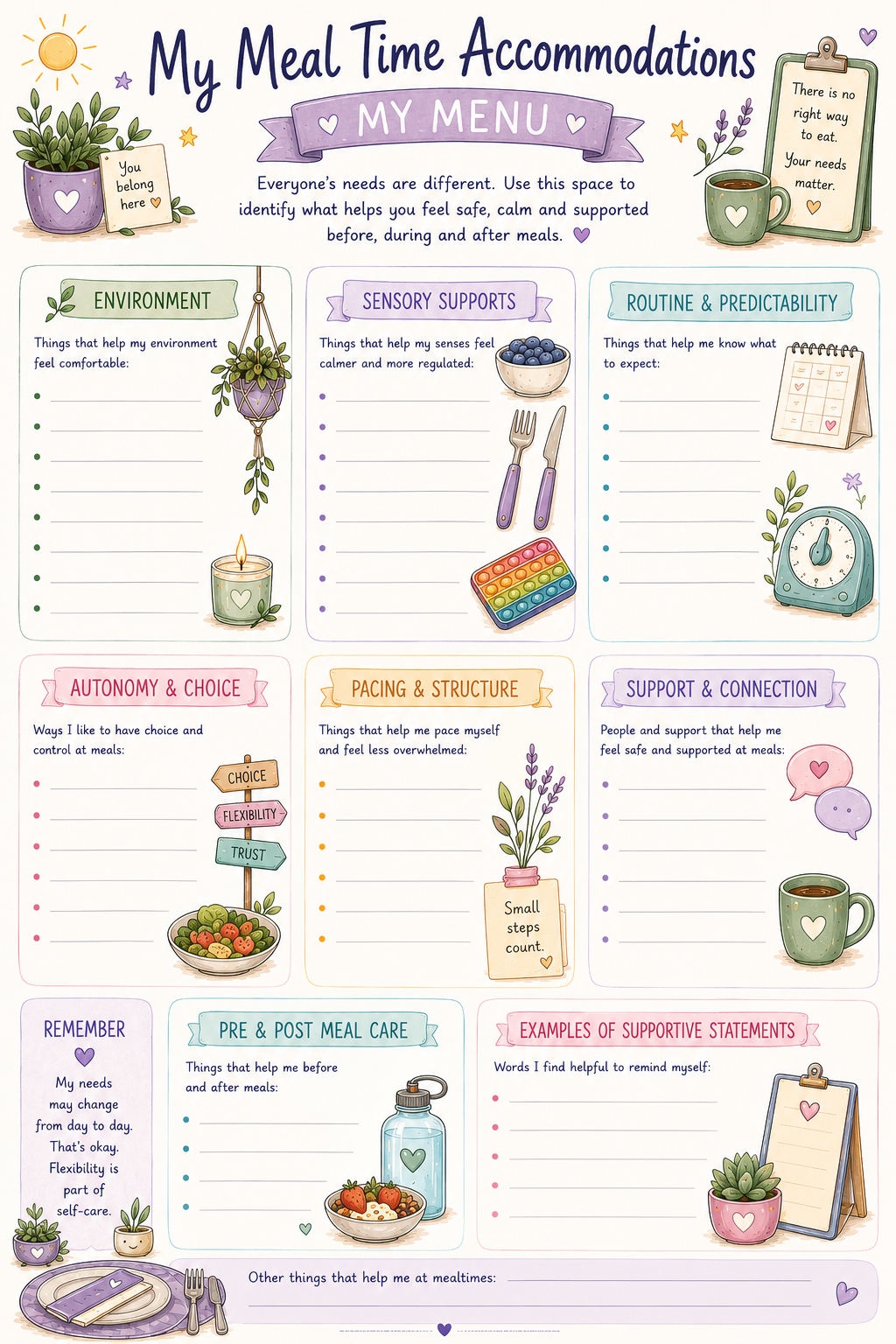
Existing eating disorder treatment models were largely developed without significant neurodivergent input. As a result, many people report feeling that their sensory experiences, communication styles, executive functioning challenges, interoception differences, and support needs are misunderstood or treated as barriers rather than important clinical information.
Aims
This project aims to better understand what neurodivergent people with lived experience of eating disorders want from treatment.
Rather than asking professionals what they think works, the project centres the voices of people who have actually experienced eating disorder treatment themselves.
Through a series of focus groups, participants will be invited to share:
-
What helped during treatment
-
What made treatment more difficult
-
What they wish clinicians understood
-
How eating disorder care could become more accessible and affirming
-
What genuinely neurodivergence-affirming care looks like in practice
Who
This project has been developed collaboratively with people who have lived experience of eating disorders and is being co-authored by an Accredited Practising Dietitian, a General Practitioner, and a Psychologist.
By bringing together perspectives from multiple disciplines alongside lived experience, the project aims to explore not only what neurodivergent people experience in treatment, but what changes may help eating disorder services become more accessible, affirming, and effective.
Awaiting ethics approval
Innovation
Step-Down Program
One of the questions I keep coming back to is what happens after intensive treatment ends.
Many people describe leaving hospital, residential treatment, or day programs as one of the hardest parts of recovery. The structure disappears, appointments become less frequent, and people are often expected to return to everyday life while still carrying a great deal of distress, uncertainty, and vulnerability.
For most, standard outpatient support is enough. For others, there can be a significant gap between what intensive services provide and what is available in the community.
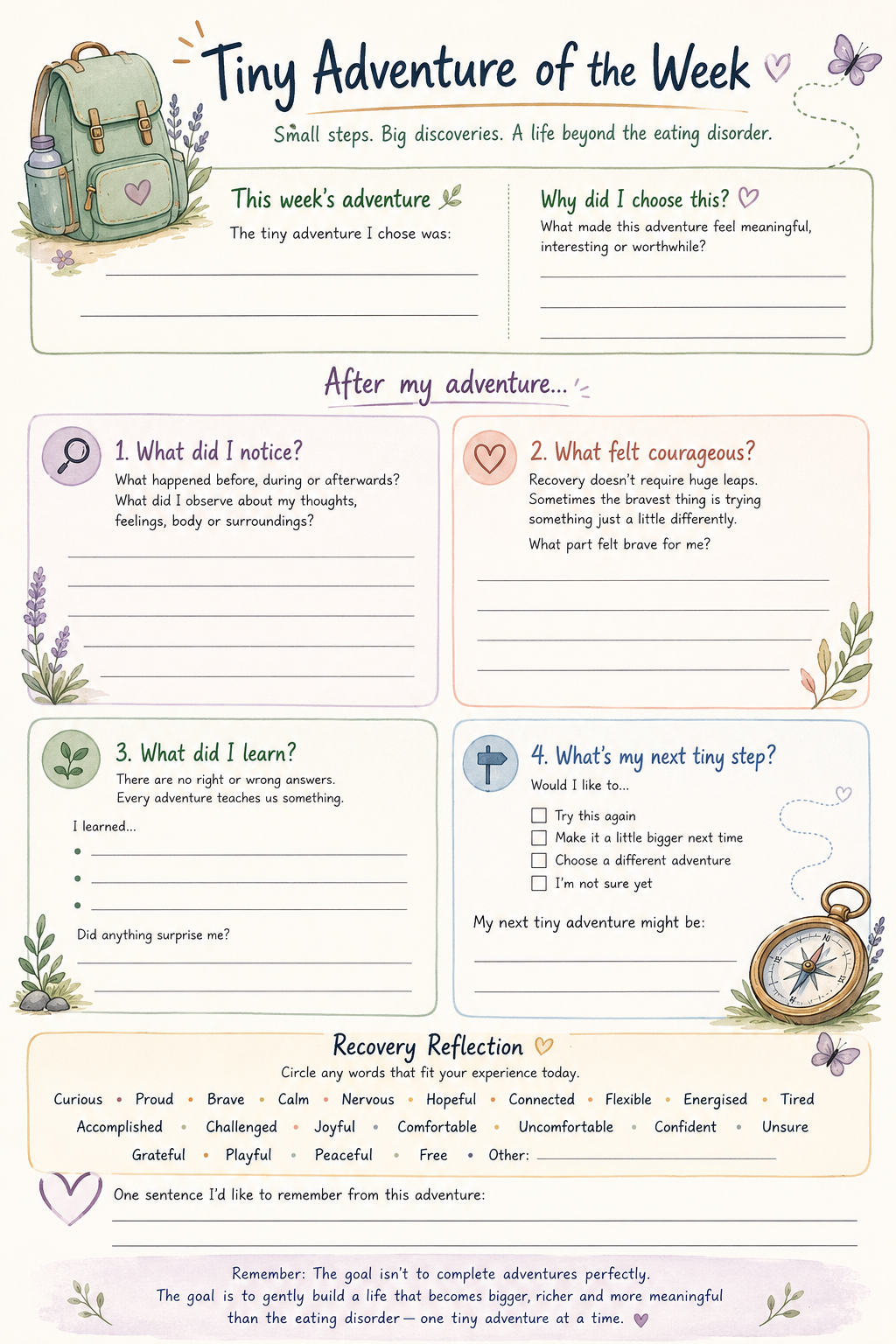
The aim is to explore ways of providing additional support during this transition period through a combination of meal support, meaningful activity, routine building, connection, practical skill development, and collaborative care.
What interests us most is not simply helping people eat more food, but helping people build lives that feel worth returning to after treatment.
The project draws on conversations with people who have lived experience of eating disorders, families, clinicians, and the growing recognition that recovery is often about much more than symptom reduction alone. Particular consideration is being given to ensure it is ND-affirming.
The Step-Down Program is being shaped through ongoing conversations with people with lived experience, families, GPs, psychologists, nurses, dietitians, and other clinicians working across eating disorder care.
The intention is not to recreate hospital or day-program treatment in a community setting. Instead, the project explores what support might look like when it is designed around the realities of everyday life.
Questions guiding the development of the program include:
-
How do people rebuild confidence around food outside of intensive treatment?
-
What helps maintain connection and routine after discharge?
-
How can support be made more accessible for neurodivergent people?
-
What role do purpose, community, creativity, and meaningful activity play in recovery?
-
How can services better bridge the gap between intensive treatment and standard outpatient care?
The project continues to evolve through lived experience input, multidisciplinary collaboration, clinical experience, and emerging evidence.
Service innovation project informed by lived experience and clinical practice
The SafePlate Step-Down Program is being developed in response to that gap.
Research
Neurodivergent Affirming Eating Disorder Care
A Lived Experience based Study
Why This Work Feels Important
One of the things that continues to stand out in both research and clinical practice is how many neurodivergent people find themselves in eating disorder services, and how often those same people describe feeling misunderstood within them. Autistic and ADHD individuals are significantly overrepresented within eating disorder populations, yet many treatment models were developed without substantial neurodivergent input.
As awareness grows, so too do accounts from people describing experiences of treatment that felt inaccessible, overwhelming, invalidating, or, at times, genuinely traumatic. People speak about sensory experiences being interpreted as resistance. Communication differences being misunderstood. Distress being viewed through the wrong lens. Treatment environments that felt impossible to navigate. And recommendations that may have been clinically sound but difficult to implement within the realities of a neurodivergent nervous system.
Importantly, many people also describe positive and life-changing treatment experiences. The goal is not to suggest that eating disorder treatment is inherently harmful, but rather to understand why some people feel supported while others leave feeling unseen, misunderstood, or carrying additional trauma from the very services intended to help them.
As the field's understanding of neurodivergence continues to evolve, there is an opportunity to listen more closely to lived experience and ask what eating disorder care might look like if neurodivergent needs were considered from the beginning, rather than adapted later.